Hidden on the border between Provence and the Southern Alps, the area around Saint-Genis offers one of the most surprising landscapes in southeastern France. Far from the crowded lavender fields and famous hilltop villages that dominate postcards, this quiet corner of the Hautes-Alpes reveals a world shaped by ancient seas, powerful geological forces, and millions of years of erosion.
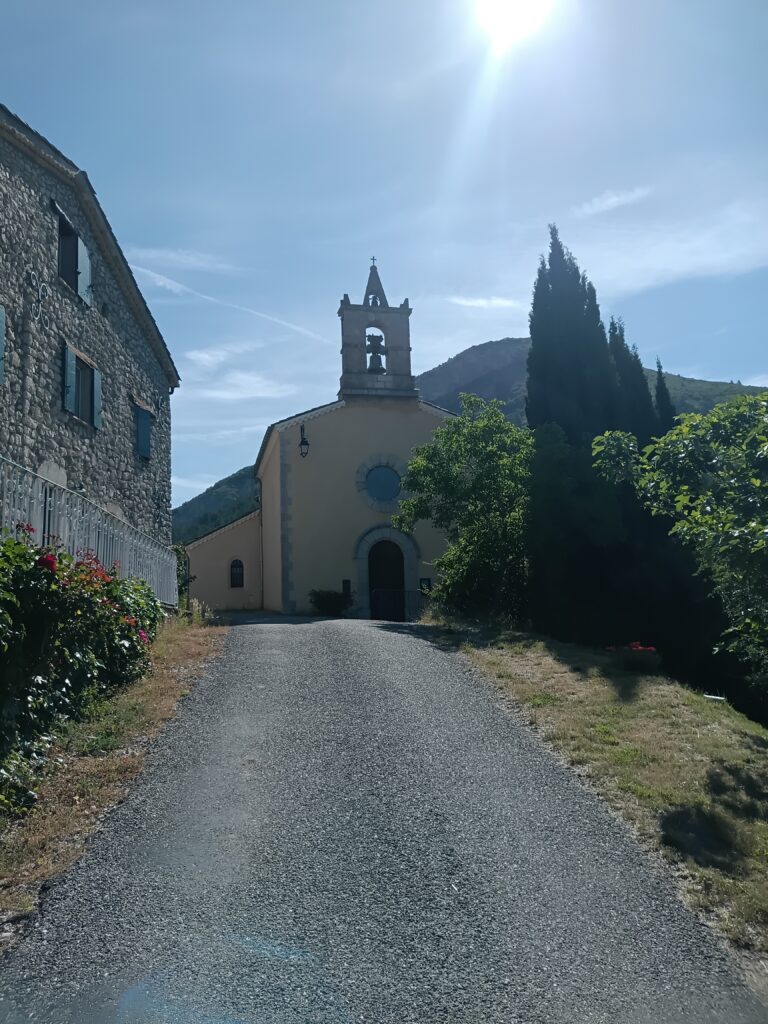
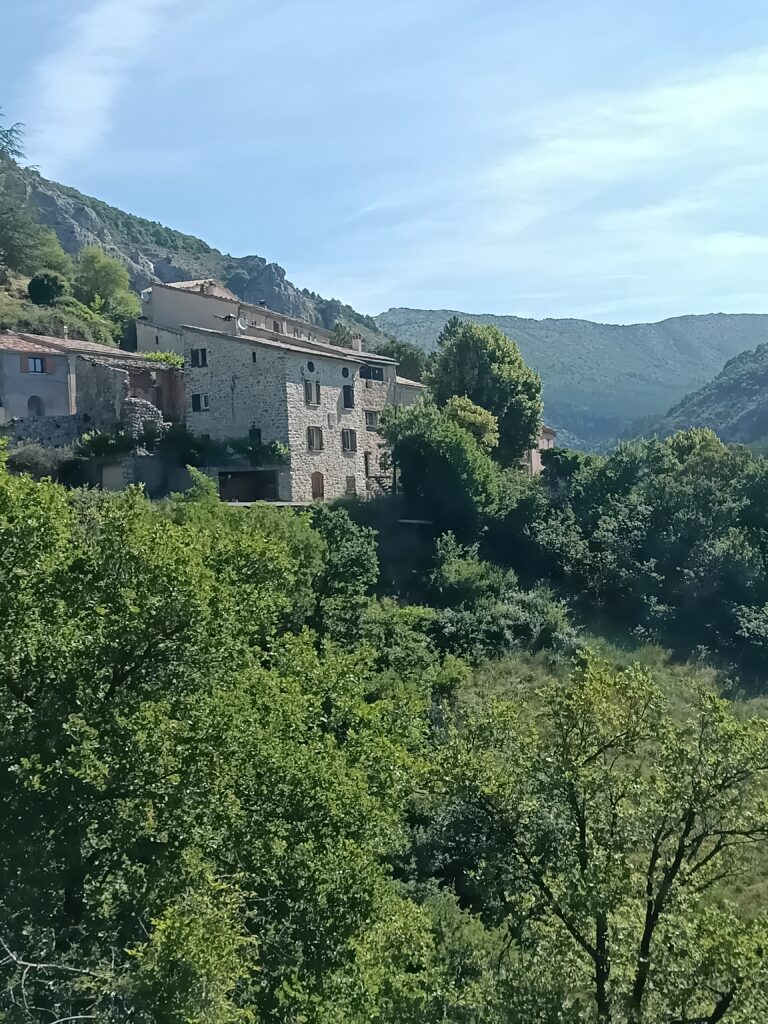
At first glance, Saint-Genis appears to be a typical Alpine village. Stone houses cluster around a small historic church, while the surrounding hills provide sweeping views across valleys and mountain ridges. Life moves slowly here, following rhythms that have changed little over generations. Yet just beyond the village lies a landscape that feels almost extraterrestrial.
The famous Terres Noires—literally “Black Lands”—are among the most remarkable geological formations in France. Their dark slopes, sharp ridges, and deeply carved gullies create an environment that resembles a lunar or Martian landscape more than the green countryside of Provence.
The story of these mountains began nearly 150 million years ago when this region lay beneath a warm tropical sea. Fine marine sediments accumulated on the seabed, eventually forming dark marl, a soft rock composed of clay and limestone. Later, the immense forces that created the Alps pushed these ancient seabeds upward. Wind, rain, frost, and rivers then sculpted the exposed rock into the dramatic formations visible today.
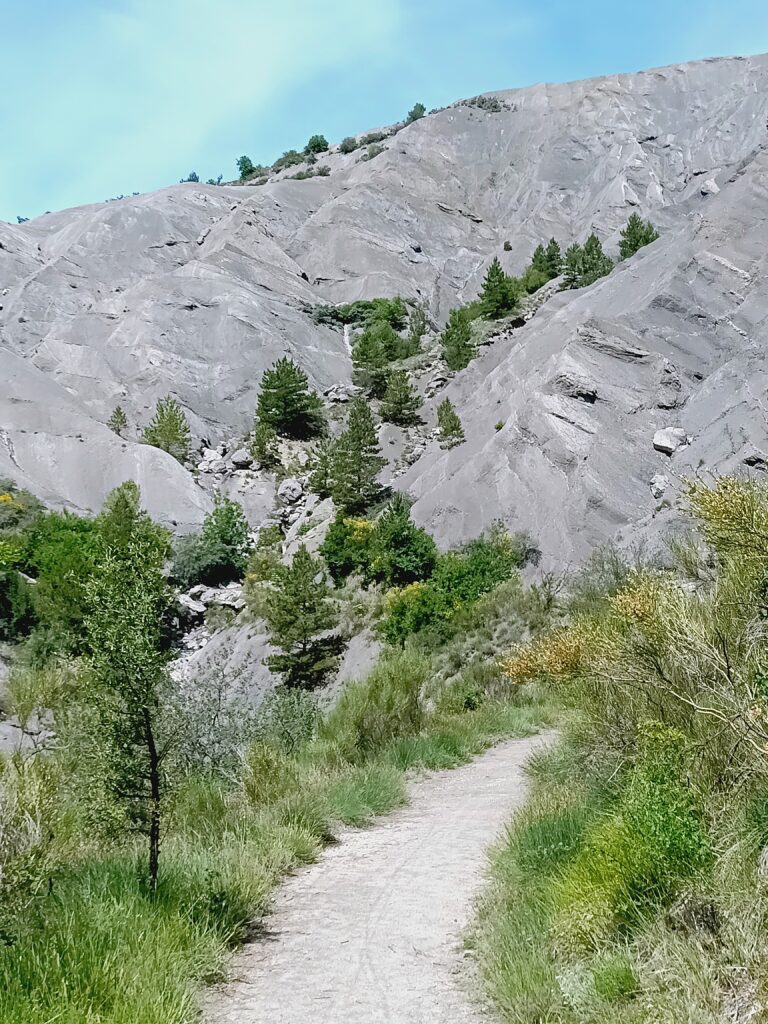
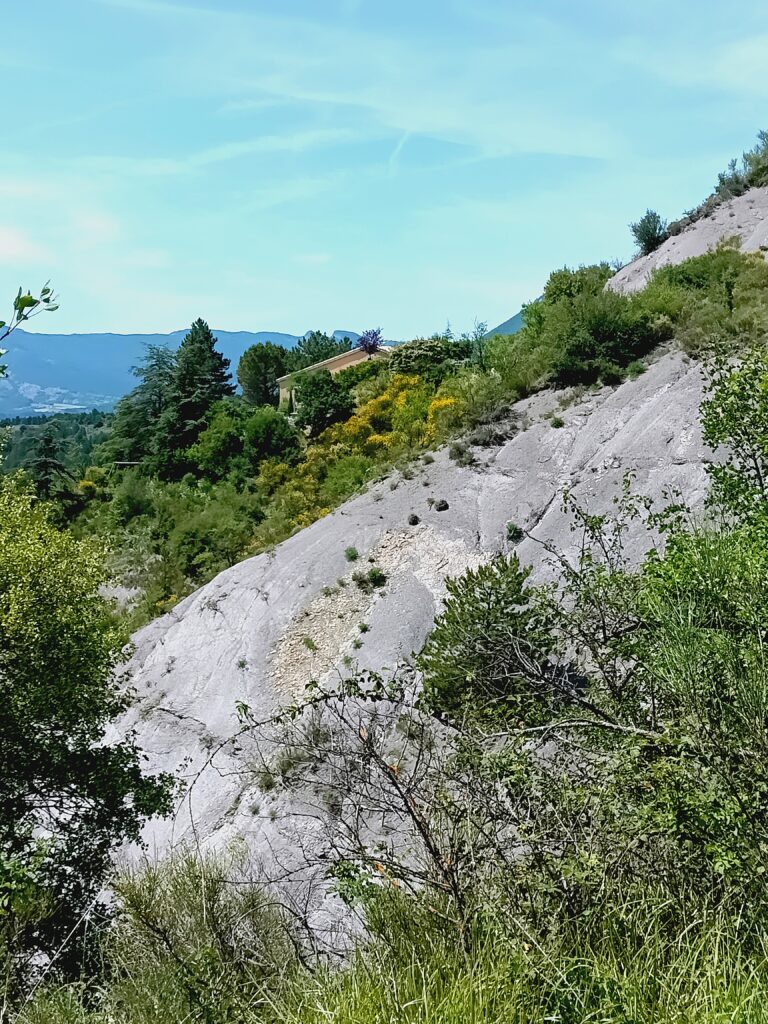
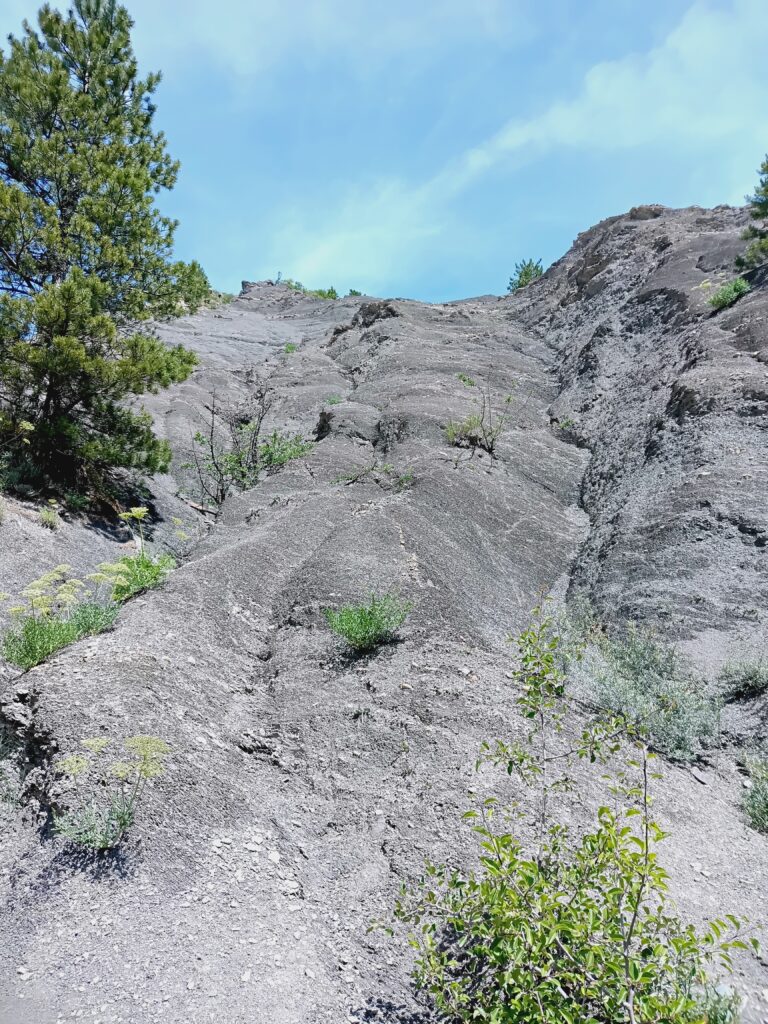
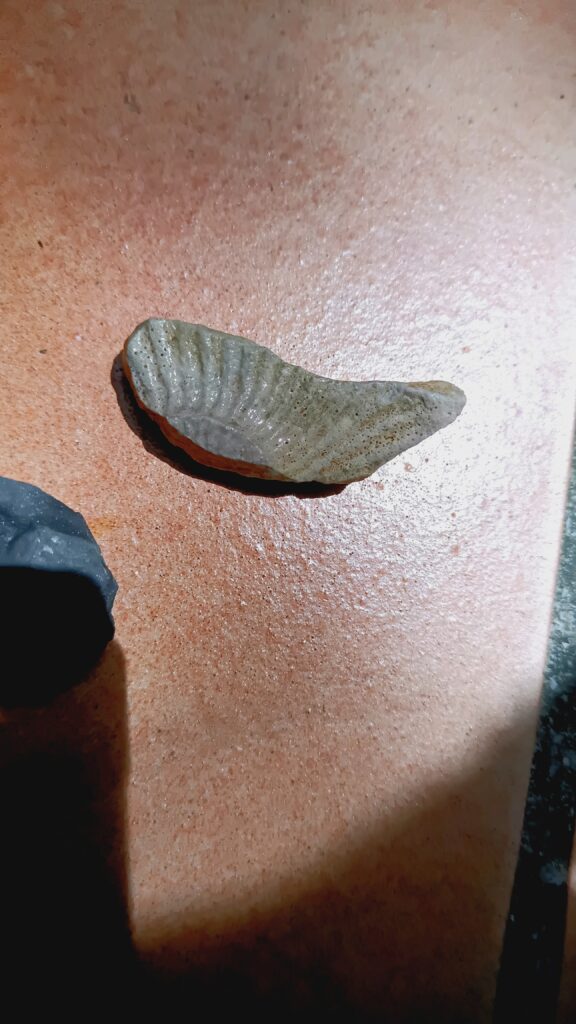
Walking through the Terres Noires is like travelling through geological time. Every ridge and ravine tells a story written long before humans appeared. Fossils can still occasionally be found within the rocks, silent witnesses to the marine world that once flourished here. Ancient shells and other traces of prehistoric life emerge unexpectedly from slopes now standing hundreds of metres above sea level.
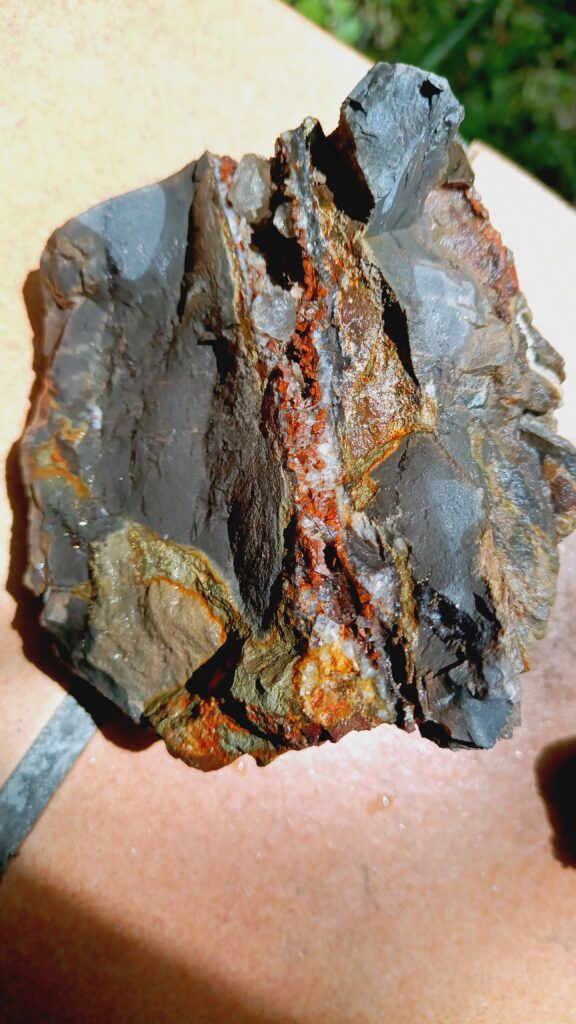
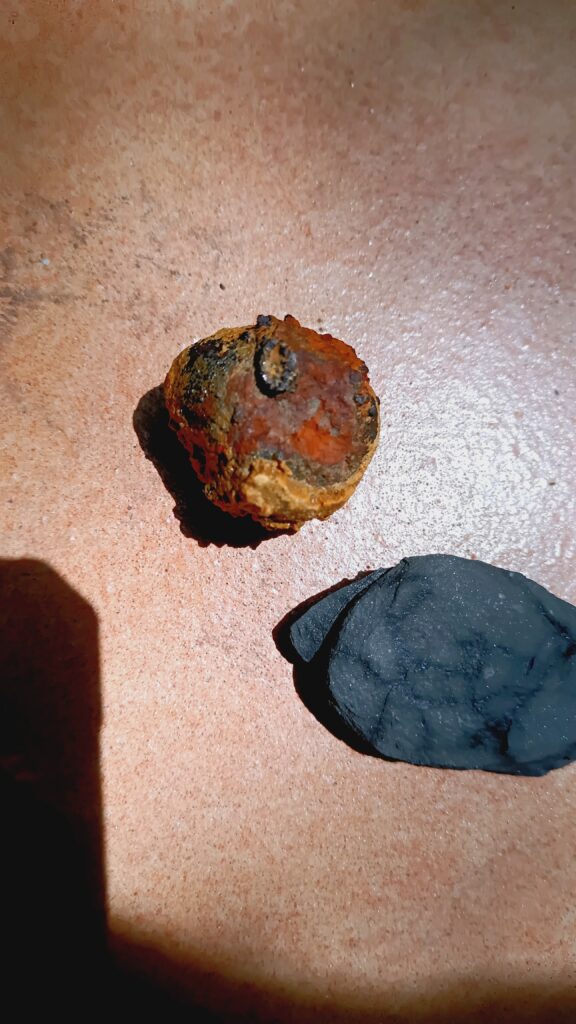
The area also attracts amateur geologists and mineral collectors. Quartz crystals hidden inside small geodes can sometimes be discovered among the loose stones, while glittering pyrite occasionally catches the sunlight, creating flashes of metallic gold against the dark terrain. Such finds offer tangible reminders of the complex processes occurring deep within the Earth’s crust over immense spans of time.
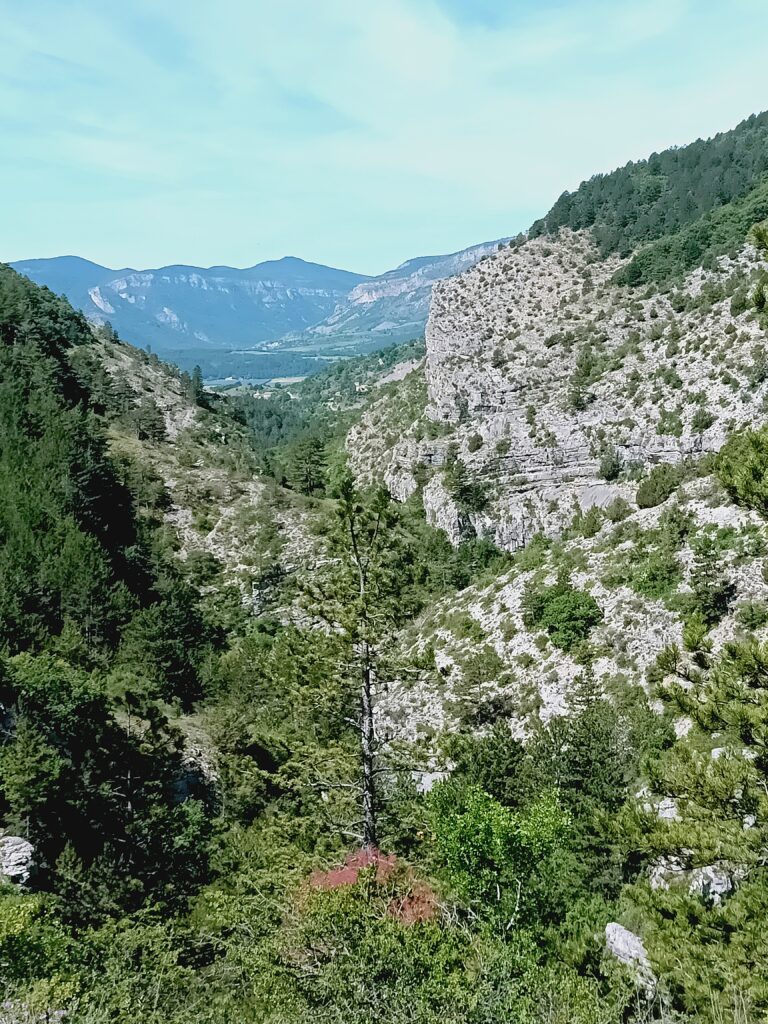
Beyond the black hills, narrow canyons cut through the landscape, providing some of the region’s most spectacular scenery. Towering rock walls rise above winding trails, while panoramic viewpoints reveal endless layers of mountains stretching toward the horizon. The contrast between the barren mineral slopes and the surrounding Alpine vegetation creates an ever-changing mosaic of colours and textures.
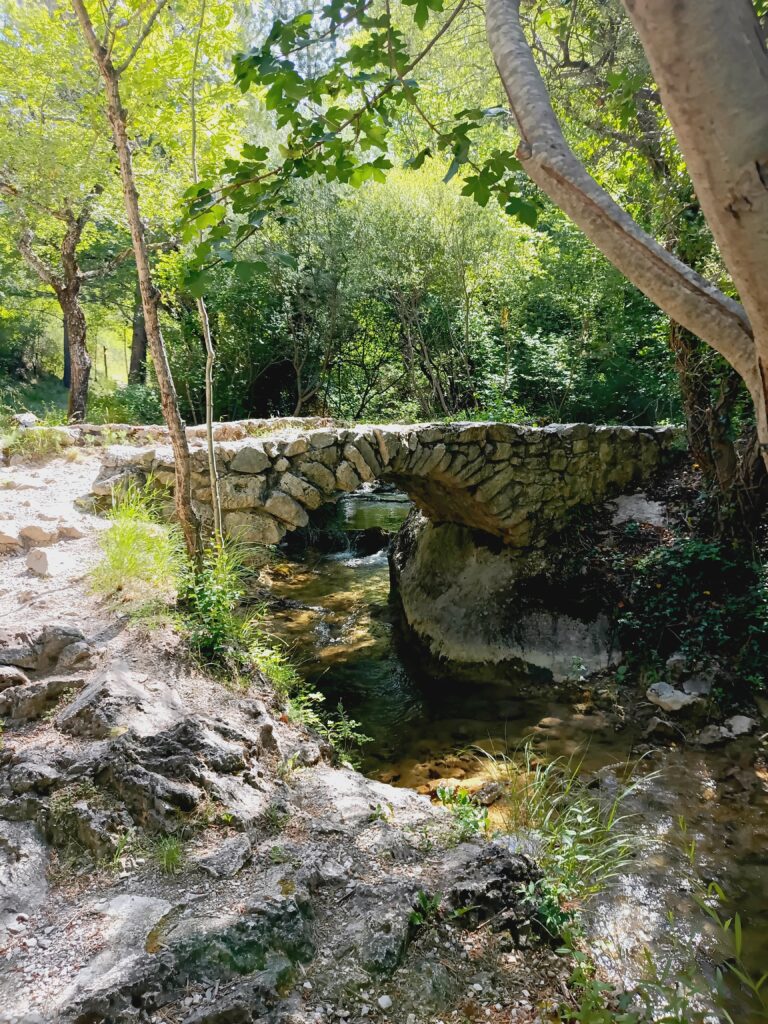
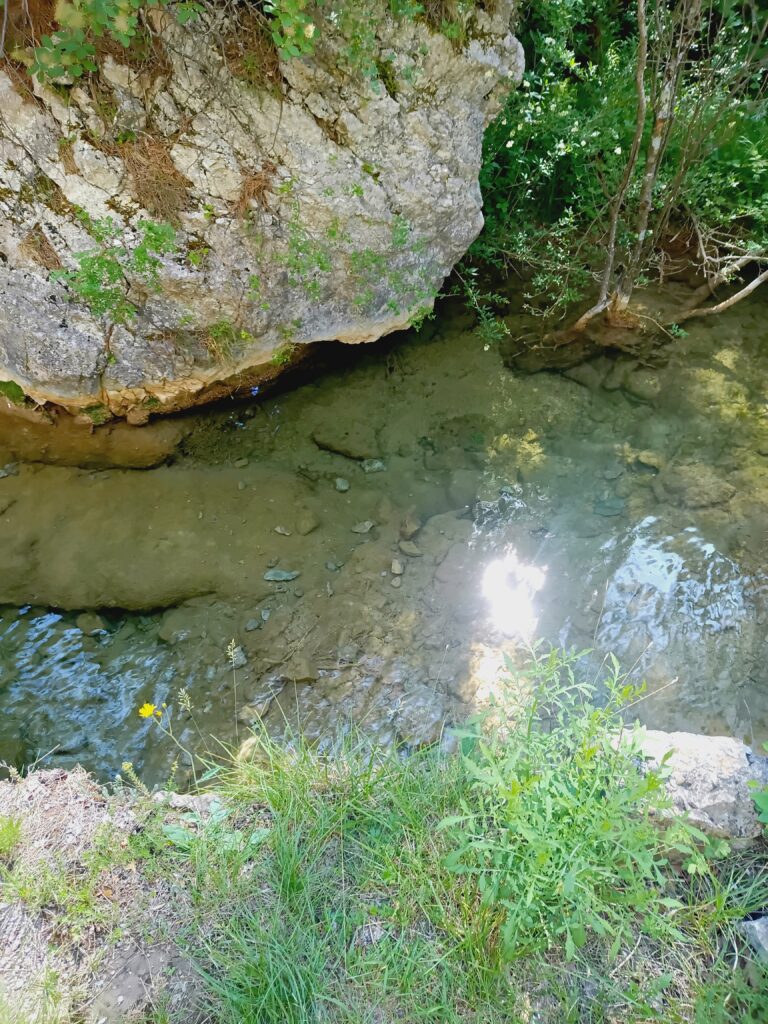
Water adds another dimension to the experience. Crystal-clear mountain streams descend from higher elevations, carving channels through the rock and nourishing pockets of greenery. Their waters are so transparent that fish can often be seen swimming among the stones below. In the bright Southern French sunlight, these streams appear almost impossibly clear, reflecting shades of turquoise and silver.
What makes Saint-Genis and the Terres Noires particularly special is their relative obscurity. While many of Provence’s famous destinations attract thousands of visitors each day, this landscape remains peaceful and largely untouched. Here, the rewards are not found in souvenir shops or crowded viewpoints but in the simple pleasure of discovering a place where geology, history, and natural beauty converge.
For travellers seeking something beyond the familiar images of Provence, the Terres Noires offer an unforgettable journey into deep time—a rare opportunity to walk across the floor of an ancient ocean, explore landscapes sculpted over millions of years, and experience one of France’s most extraordinary natural treasures.